If you’re flying through Miami Opa Locka Executive Airport, expect a very different experience from a traditional commercial airport. It is smaller, faster, and often far less crowded, but it comes with a few details that first-time visitors can easily miss.
Many people first hear about this airport after receiving a charter itinerary, a private flight confirmation, or a JSX booking. Then the questions start. Is it a regular airport? Where do you get picked up? Can you park there? Is it close to Miami Beach?
This guide answers those questions, further walking through the practical decisions that make the difference between a smooth arrival and a stressful one.
This is not Miami International Airport. That’s obvious, yet many first-time visitors expect a scaled-down version of a major airline terminal. That expectation creates confusion the moment they arrive.
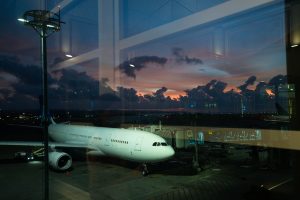
The airport serves private aviation, charter flights, business aircraft, flight operations, and limited scheduled service. Instead of large terminals, baggage belts, and crowded gate areas, you will find FBO facilities, private lounges, and dedicated aviation services.
You may walk from a vehicle directly into a lounge. You may meet your pilot face-to-face. Some passengers are airborne within minutes of arriving at the facility.
This may be the most useful tip in the entire guide.
Many visitors focus on flight times. In reality, the FBO (Fixed-Base Operator) often matters more once the aircraft lands. Your driver, pickup location, gate access, and even the address entered into a navigation app can change based on which facility handles your flight.
Two passengers can arrive minutes apart and exit from completely different parts of the airport. That creates missed pickups every week.
Before arranging transportation, ask your operator one simple question: “Which FBO will we use?” Confirm it early, and not after landing to avoid any confusion.
Five major FBO operators serve the airport area as of 2026, with facilities continuing to expand for growing private aviation demand.
Once you know your FBO, transportation becomes much easier.
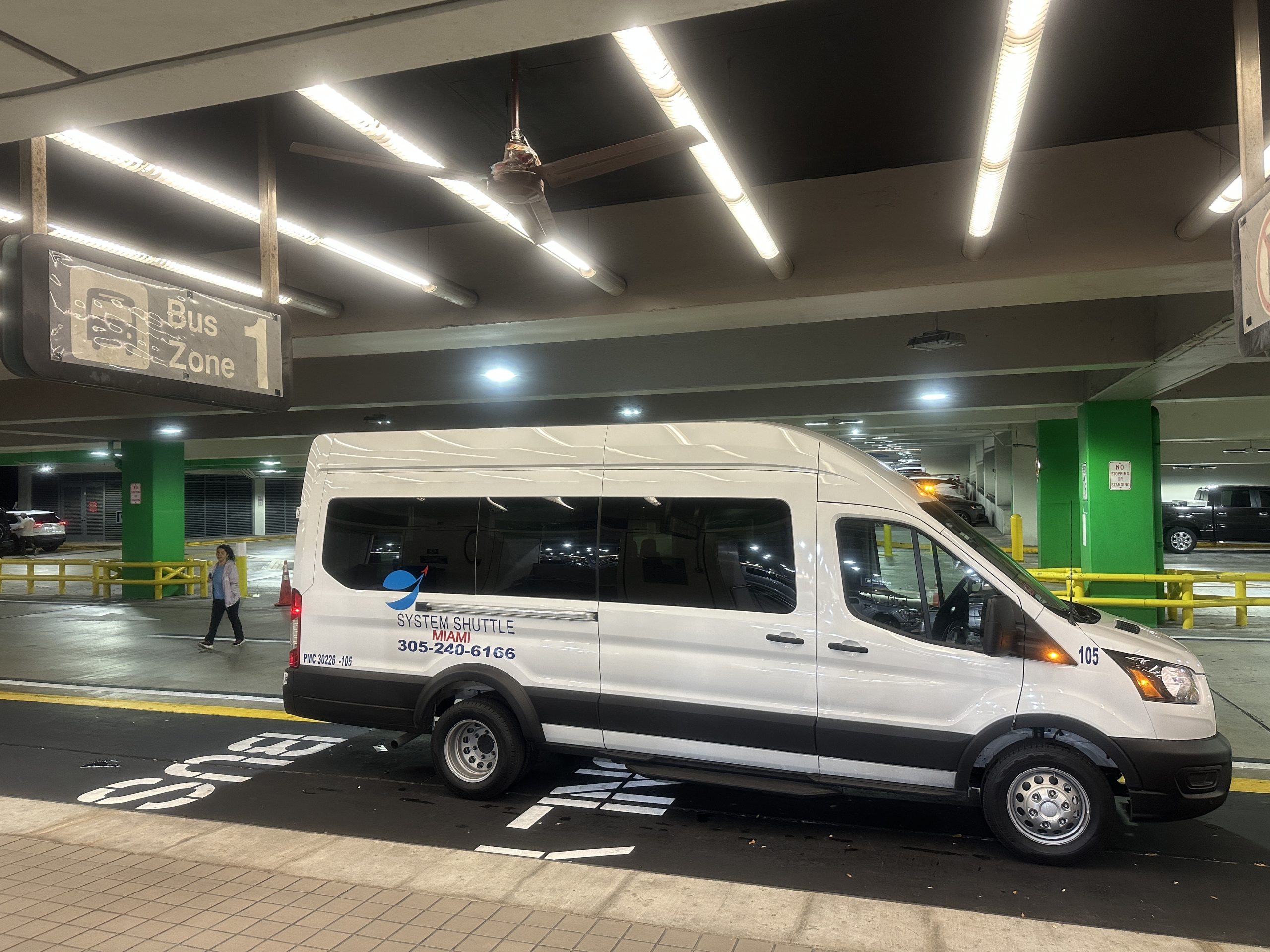
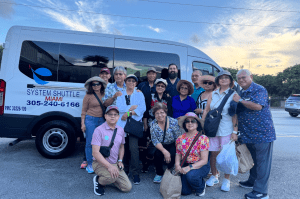
For travelers needing airport transfers, two practical options offered by System Shuttle Miami are:
Book it first so you don’t wander around looking for transportations.
Eleven miles in Miami does not always feel like eleven miles. Traffic can turn a short drive into a long one. Especially during afternoon rush hour, holiday weekends, or major events.
Many airport descriptions focus on distance. But smart travelers focus on time.
A realistic planning approach is better than a hopeful one.
Destination | Approx. Distance | Typical Drive Time |
Downtown Miami | 11-15 miles | 20-40 minutes |
Miami Beach | 15-18 miles | 25-50 minutes |
Brickell | 13-16 miles | 25-45 minutes |
Hard Rock Stadium | About 3 miles | 10-20 minutes |
These are normal operating ranges, but traffic can change them quickly.
If you have a dinner reservation, a cruise departure, or an important meeting, always add buffer time. Miami rarely rewards tight schedules.
Many people expect airport parking to work the same everywhere. But that’s not the case here. This airport operates primarily as a working aviation facility. Parking policies often depend on the FBO handling your flight.
Some facilities allow short-term parking. But others have stricter procedures for pickups and waiting vehicles. Drivers who arrive early sometimes discover they cannot simply sit near a curb and wait.
Before arrival, contact the specific FBO and ask about visitor parking, pickup locations, and waiting procedures. A two-minute phone call can save twenty minutes of circling roads.
Customs procedures matter more than most passengers realize.
The airport supports international arrivals through U.S. Customs and Border Protection services. However, international operations typically require advance coordination and notice through flight operators and aviation staff.
Airport guidance has historically required notification before arrival, and procedures can change, so operators should verify current requirements before departure.
What happens if nobody checks? Delays. Not dramatic delays every time. But enough to disrupt schedules, ground transportation plans, and connecting arrangements.
Passengers rarely handle these details themselves. Flight crews and operators usually do. Still, it is worth asking before departure if all customs arrangements have been confirmed.
Now, here’s where you have to book carefully. Many people assume an executive airport is reserved exclusively for private jets. That is not entirely true.
JSX operates scheduled public charter service from the airport, giving passengers a chance to fly from the facility without chartering an aircraft. Routes change over time, so travelers should always verify current schedules directly before booking.
This option appeals to people who like shorter check-in times and smaller facilities.
Miami International Airport and Opa-locka sit relatively close to one another. Drivers, rideshare apps, visitors, and even hotel staff occasionally confuse the two.
The mistake usually starts with a simple phrase.
“Take me to the airport.” Which airport? That question matters.
Instead of giving only the airport name, provide the exact FBO address or facility name. Send it directly to your driver. Better yet, text it before pickup begins.
Many navigation apps offer multiple airport-related results. Some are correct, while some are not. Because of this a traveler can lose an hour fixing that mistake.
Like many busy aviation facilities, the airport follows noise-management procedures designed to reduce disruption for surrounding neighborhoods. Flight training and operational activities are also managed under specific local and federal guidelines.
Most passengers never notice. But people staying nearby often do. If you book a hotel close to the airport, occasional aircraft noise should not come as a surprise. That’s part of life around an active aviation field.
A normal travel day and an event weekend can feel like two different worlds.
The airport sits close to Hard Rock Stadium, one of South Florida’s busiest event venues. When major gatherings arrive, aviation traffic often rises as well. Think Formula 1 weekend, championship games, or FIFA World Cup activity in 2026.
Private aircraft demand can spike sharply during those periods. FBO facilities, transportation providers, and pickup areas often feel the impact first. Travelers using charter flights should coordinate plans earlier than usual and confirm arrangements several days ahead.
Waiting until the last minute creates fewer options. The airport still operates, but the supporting services become busier.
The smartest move is often the simplest one. Confirm your FBO, your pickup location, and confirm your transportation before travel day arrives. Most frustrations at Miami Opa Locka Executive Airport have little to do with flying and everything to do with logistics on the ground.
Once those details are locked in, the airport becomes exactly what many people hope for. It’s fast, efficient, and refreshingly simple. The question is not whether the airport is easy to use. The question is whether you arrive with the right information.
No. The airport primarily serves private and charter aviation, but JSX also operates scheduled public charter flights on select routes. Availability varies throughout the year, so make sure to confirm everything beforehand.
The airport is roughly 11 to 15 miles from Downtown Miami. Travel times usually range from 20 to 40 minutes depending on traffic conditions. However, always keep buffer time to avoid any delays.
Parking policies vary by FBO. Contact the specific facility handling the flight before arrival to confirm visitor parking and pickup procedures.You don’t want to wait and later be chased away from the location.
Yes. International arrivals can clear customs through designated facilities, but advance coordination is normally required through the flight operator.
Many travelers use rideshares, private chauffeurs, rental vehicles, or shuttle services. Services from System Shuttle Miami include Airport Transportation and Private Transportation, both designed for direct airport transfers and local travel needs.