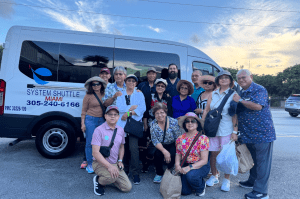


Most church trip coordinators are not transportation pros. They are pastors, volunteers, youth leaders, or office staff who are already juggling meals, schedules, and attendance lists. That is why transportation often becomes the last thing planned, even though it shapes the whole day.
A late shuttle can throw off an entire retreat. A bad pickup route can frustrate seniors before service even starts. Church group transportation gets easier when you plan for the real problems first: group size, Miami traffic, parking, and booking time. Fix those early, and the rest feels far less stressful.
Booking too many buses is one of the fastest ways to waste money.
A packed 25-passenger minibus often feels lively and efficient. On the other hand, a half-empty 56-seat coach can feel awkward and expensive. Churches in Miami make this mistake all the time during retreats and youth weekends. Someone guesses attendance wrong, then pays for empty rows across South Florida.
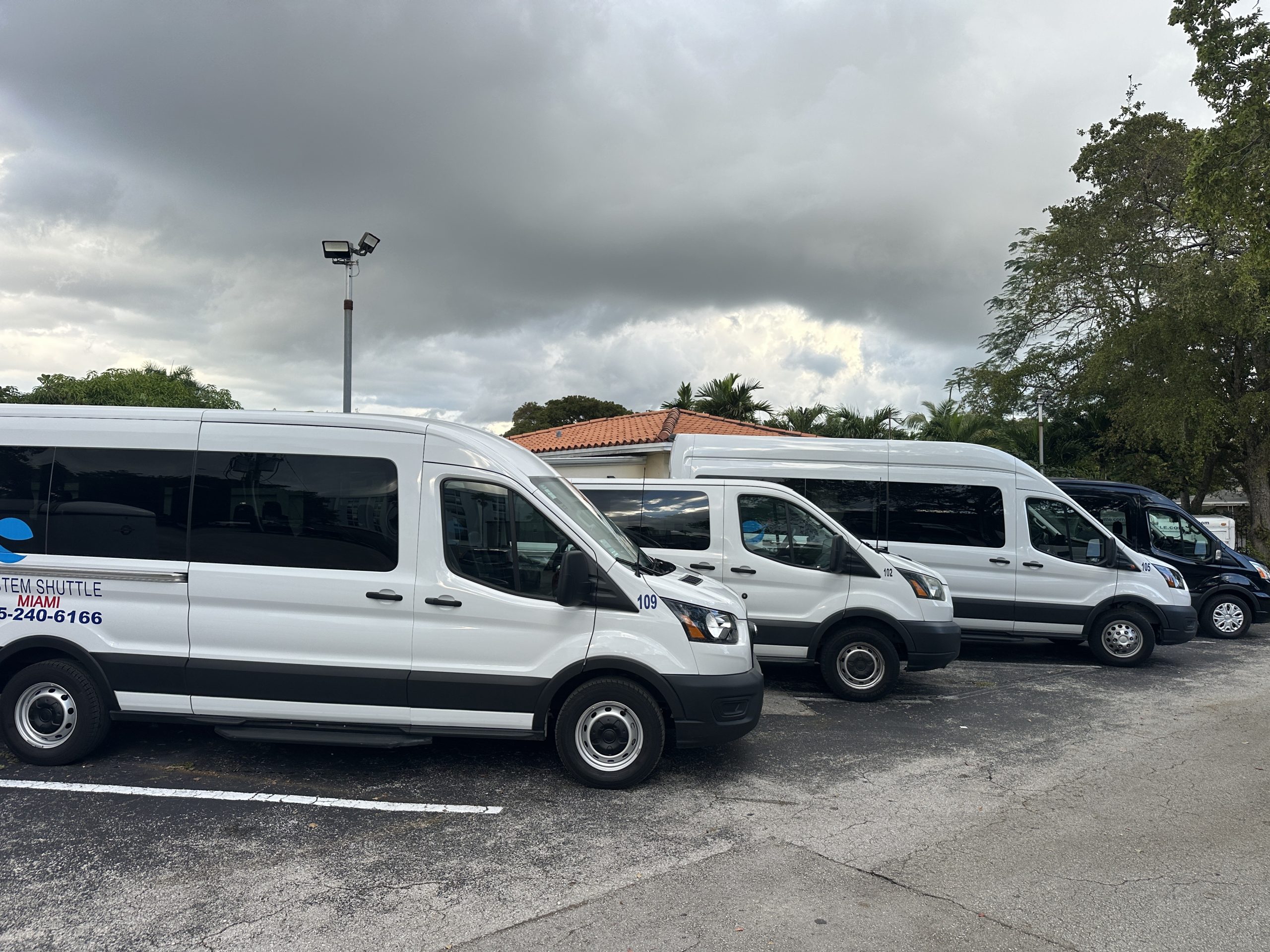
For smaller church teams, a Sprinter van from System Shuttle Miami works well for airport pickups, volunteer groups, and family ministry trips. These vans keep everyone together without turning a short ride into a giant production.
Think about luggage too. A youth choir heading to Orlando carries far more gear than a Bible study group driving across Coral Gables. This may sound obvious but groups still forget this every week.
A few smart checks help:
That saves money fast.
A one-time retreat is simple but a weekly church shuttle is not.
Many congregations in areas like Hialeah, Liberty City, and Overtown include seniors or members without reliable cars. Some stop attending simply because getting there feels hard. The problem grows quietly and nobody likes asking for rides every Sunday.
Recurring shuttle service works best when the route stays predictable. These could be the same pickup points, the same driver window or the same contact person. Churches that constantly change schedules confuse riders and lose trust fast.
Instead of booking separate trips each week, ask providers about recurring transportation contracts. Long-term routes often cost less than arranging buses one service at a time. That matters during budget season especially in Miami.
A simple setup usually works best:
Seat count is not the first thing to check.
Safety, access, and driver reliability matter more than a few extra chairs. Churches with seniors should ask detailed ADA (Americans with Disabilities Act) questions before booking any church group transportation service.
Some companies advertise wheelchair access, but the lift has not been inspected recently. Ask directly when the lift was last serviced. If the answer feels vague, you can drop that service.
Route planning matters too. A downtown pickup near the Cathedral of Saint Mary needs a different parking setup than a suburban church near Kendall or Homestead. Miami streets tighten quickly around older church buildings, and large coaches sometimes struggle with small loading zones.
Before booking, ask these four questions:
Driving from Hialeah to Coral Gables may look simple, but then I-95 slows down near downtown, US-1 backs up, and suddenly the church group arrives 25 minutes late.
Sunday traffic is not always light either. Hard Rock Stadium events can jam nearby roads long before kickoff. Heat matters too. Seniors standing outside in July humidity feel every extra minute.
A late shuttle in Miami feels longer than a late shuttle in colder cities. That changes pickup planning completely.
Good church coordinators build extra time into every route:
Carpooling is not free. It just spreads stress around.
One driver gets lost, another arrives late, while somebody forgets the donation bins. Now the church group starts volunteer work an hour behind schedule. That happens often during outreach days across South Florida.
A single charter setup keeps everyone together. Teams heading to Habitat for Humanity projects near Homestead or food drives in Liberty City move faster when supplies stay in one vehicle. Why does this matter? Because volunteer days already run on tight schedules.
Luggage bays help more than most churches expect. Paint supplies, boxed meals, folding tables, sports gear, and giveaway bags take up serious room. Trying to split that across six personal cars turns chaotic quickly.
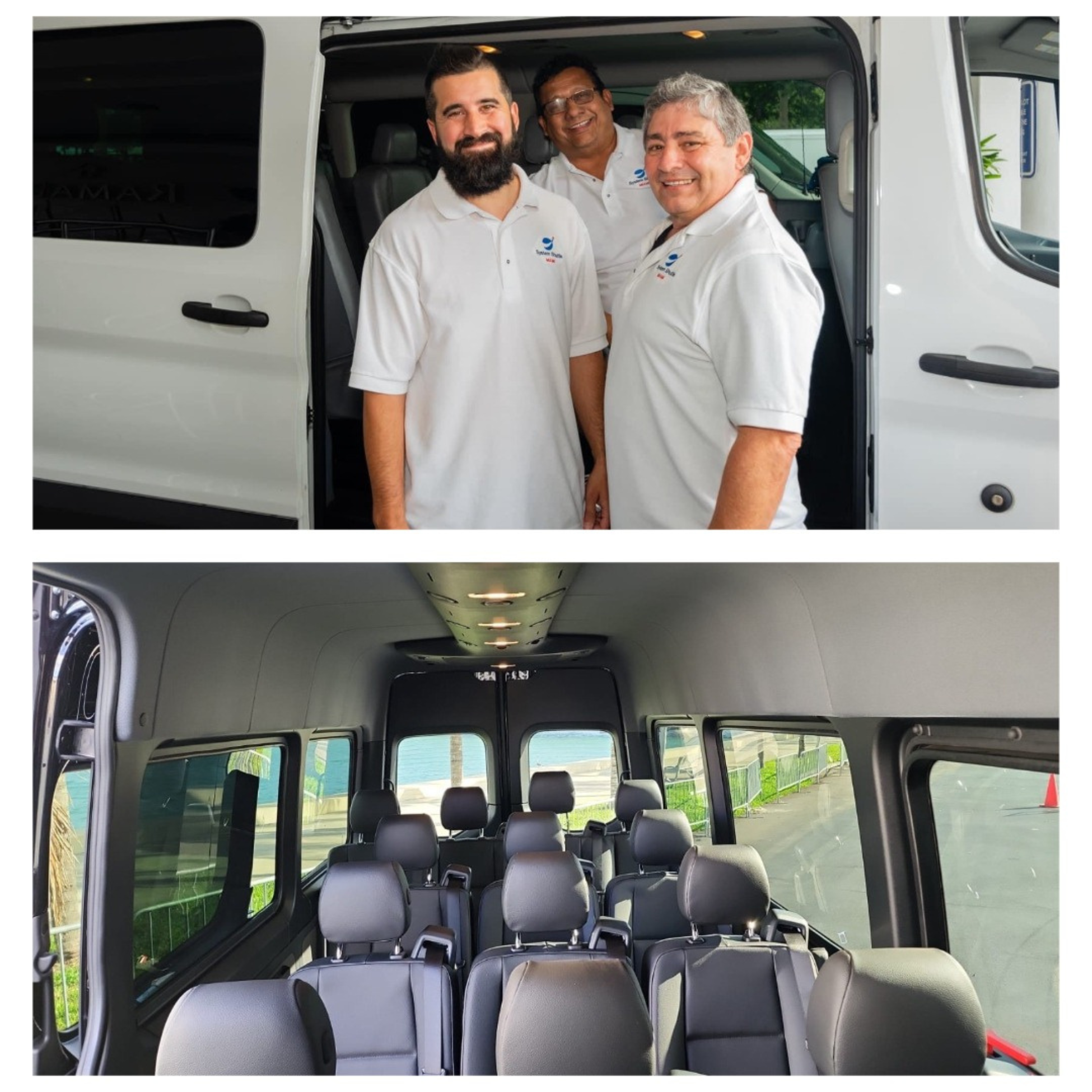
For medium groups, many churches use shuttle vans from System Shuttle Miami because door-to-door pickup keeps volunteers from driving separately across Miami. That lowers parking pressure too.
Most churches underestimate shuttle timing badly.
A parking shuttle only works when riders wait less than about 10 minutes. Longer waits push people back into personal cars. Then the overflow lot sits empty while the church entrance clogs up again which is not good.
Big holiday services in Miami often need looping transportation from nearby parking lots, schools, or transit areas. Downtown churches near Metromover corridors sometimes use outside lots because church parking disappears fast during Christmas productions or conference weekends.
A smart loop plan looks like this:
Frequency matters more than bus size here.
Good dates disappear quickly and in Miami, it’s even quicker.
From November through March, buses across South Florida stay busy with conferences, snowbird travel, concerts, Art Basel, cruise traffic, and Ultra Music Festival crowds. Churches planning December concerts or spring retreats compete with all of it.
For church events in Miami, booking transportation at least 8 to 12 weeks early is the safer move during peak season. Easter weekends and Christmas programs often need even more lead time. Sound too much? Try finding three clean minibuses during Art Basel week.
Pricing changes based on:
That is why churches should compare multiple quotes before committing.
Ask for exact pickup windows too, not just vague arrival estimates. Exact timing matters when services start at fixed hours.
The best church transportation plans are rarely complicated. They are realistic, right-sized vehicles, extra traffic buffers, and earlier booking solve most problems before the first rider even steps onboard.
Now, the real question is simple: will the next church event feel organized when people arrive, or stressful before it even begins?
Usually, yes. Group travel lowers parking problems, keeps schedules tighter, and helps seniors or youth groups travel safely together. For larger events, it often reduces stress more than expected.
Small groups often prefer Sprinter vans or minibuses. They cost less and move through Miami traffic more easily than full-size coaches.
During busy months, churches should book 8 to 12 weeks ahead. Holiday weekends may need even more notice.
Ask about ADA access, luggage space, driver experience, backup plans, and local route knowledge. Those five questions reveal a lot quickly.
Yes. Reliable weekly shuttle service often improves attendance for seniors and members without dependable transportation.