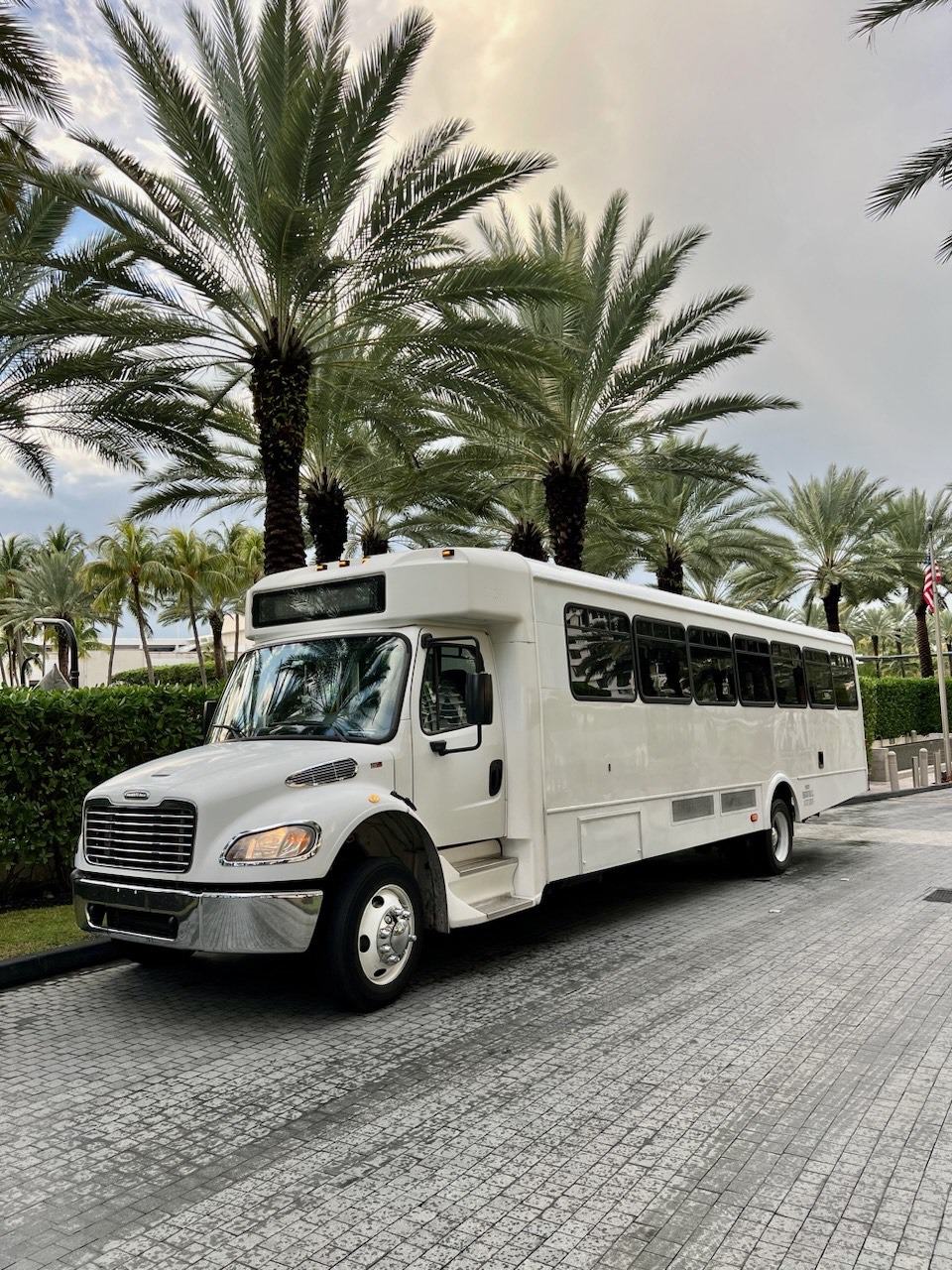
If you’ve ever tried to coordinate 200 people arriving in a busy city like Miami, you already know the chaos. Flights land at different times, hotels sit miles apart, and traffic builds fast near big venues. Suddenly, you realize that your event starts late because half your attendees are stuck figuring out rides.
That’s where a convention shuttle service steps in. It removes guesswork, keeping everyone on the same schedule. It also gives you control over the flow of people instead of leaving it to chance.
A convention shuttle service is the simplest way to move large groups between airports, hotels, and event venues without confusion, delays, or parking stress.
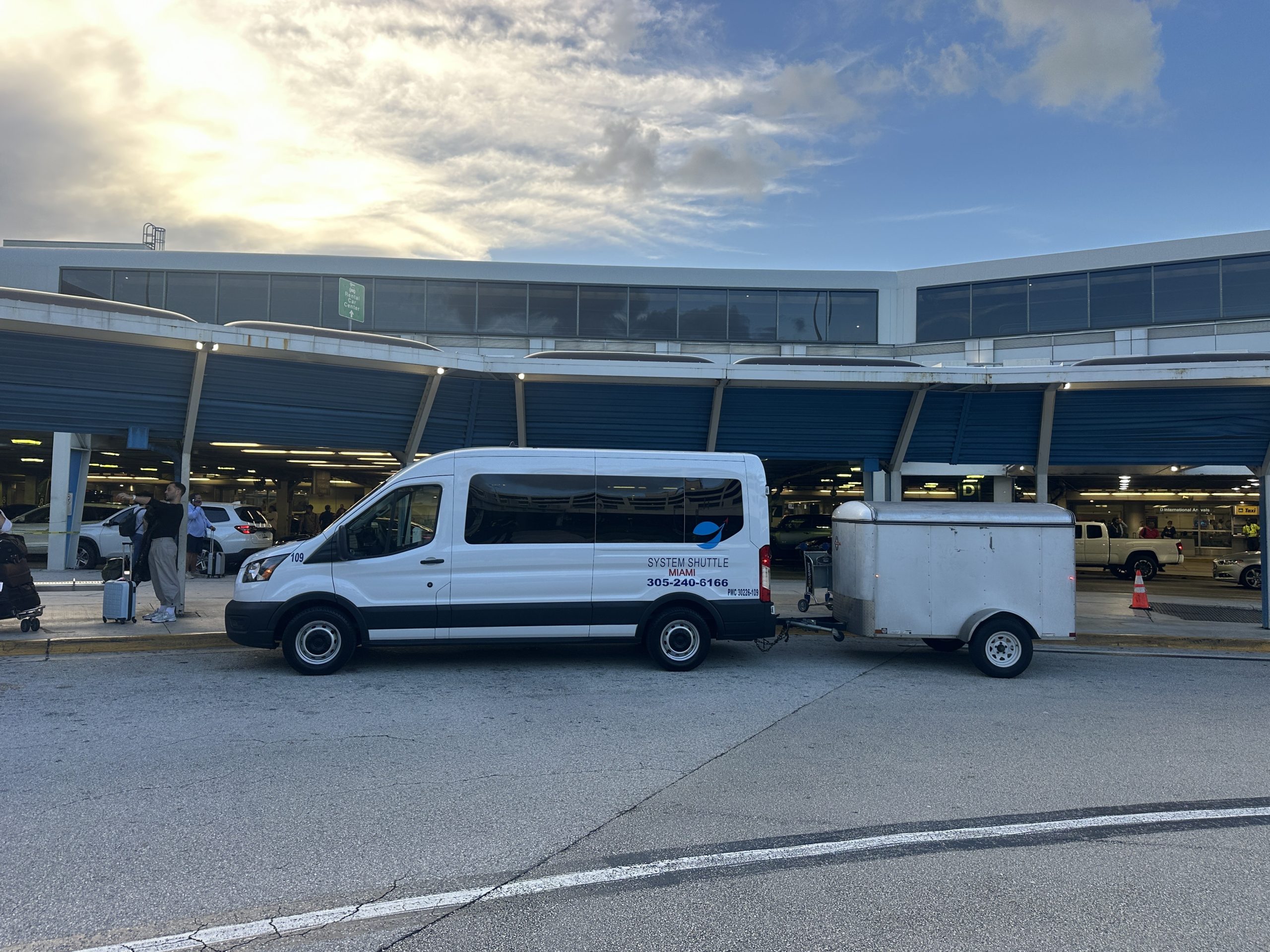
Most planners think a convention shuttle service is just a bus running between a hotel and a venue. But that’s only one part of the picture.
A full setup usually covers three moving pieces that need separate planning.
Now, here’s the catch. These three legs don’t run on the same schedule. Airport runs are scattered, hotel loops hit peak times, and off-site trips are fixed. Treating them as one system leads to delays.
Most people assume fleet size depends on total attendance. But that’s not the case.
What matters is peak load. How many people need transport in the same 30-minute window? That number drives everything. A 56-seat bus doesn’t magically handle 300 people if they all leave at once. Does this sound obvious? But, it gets missed all the time.
Picture a morning rush when the check-out time hits and everyone wants to leave together. If your buses can’t handle that surge, lines form fast. Once delays start, they ripple through the whole day, which is not ideal.
Use this rough guide to think clearly:
This isn’t exact math, but a starting point. Real planning adjusts for timing, distance, and traffic.
“Miami venue” sounds like one problem, but it’s not. It’s three very different setups.
The Miami Beach Convention Center is the biggest. It has two main drop-offs. The west entrance on Convention Center Drive and the east on Washington Avenue. They serve different hotel zones. If the buses are sent to the wrong side, people have to walk far, in heat with luggage. That slows everything.
Then there’s the James L. Knight Center that sits downtown. Traffic patterns change by the hour. Morning routes differ from evening exits. Therefore, timing matters more than distance here.
Finally, the Mana Wynwood Convention Center. It’s newer and sits in a creative district. You can expect the parking to be a bit tight as the streets are narrower. This is why shuttle timing needs an extra buffer.
Each venue needs a different plan. If you treat them the same, problems show up fast.
Plan your airport leg before anything else. In a convention shuttle service Miami setup, arrivals rarely line up neatly. Some people land early in the morning while others arrive late at night. That creates a gap you must manage.
There are two ways to handle it:
Scheduled loops are simple, but people may wait. Meet-on-demand feels smoother, but it costs more and needs tighter coordination.
So, which one fits your event? It depends on budget and guest expectations. VIP groups often prefer the second option. Large general groups lean toward loops.
Also, don’t forget distance. Miami International Airport sits closer to downtown, while Fort Lauderdale airport adds travel time, which changes scheduling fast.
Most planners book too late.
For typical events, booking 6 to 8 weeks ahead works well. But timing shifts in busy seasons. Miami’s event calendar is packed with major shows and festivals that means vehicle availability drops fast. During peak periods, think 10 to 12 weeks ahead.
If you wait for too long, your options will shrink and the prices will climb. You may also end up adjusting your schedule to match what’s available, not what you need. That’s not a good place to be.
Accessibility is a logistics question before anything else.
ADA-compliant vehicles exist, but they aren’t always in standard rotation. That means you must request them early. Not the day before and not even the week before.
At booking, confirm three things clearly.
If you miss even one of these, you create delays on arrival day. Or even worse, someone gets left waiting.
Charter shuttle service looks expensive until you divide it by headcount.
Most providers charge either per hour or per trip. Hourly works well for fixed schedules like hotel loops. Per-trip works better for airport transfers or one-off events.
For these shuttles, pricing in Miami varies a lot. Vehicle type, time of year, and demand all affect rates. But here’s a simple truth, moving a group together often costs less per person than booking separate rides.
Think about it. Ten people in ten cars versus one vehicle. Which is easier to manage? Which arrives together?
That’s the real comparison.
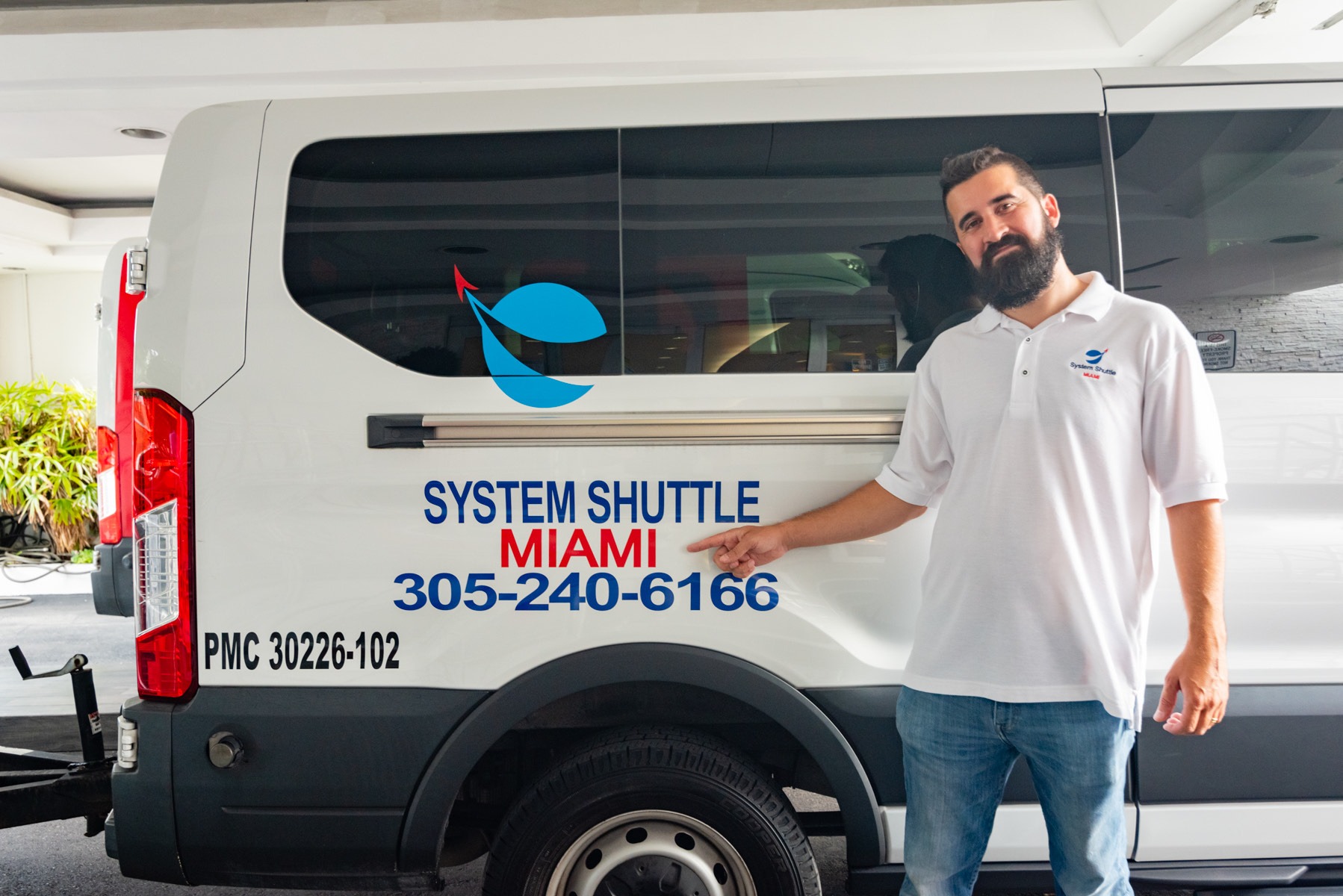
Not all providers handle large events the same way. Some focus on small groups, while others specialize in conventions and multi-day logistics.
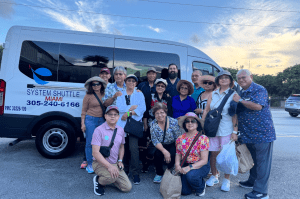
For example, System Shuttle Miami offers services like airport transportation and corporate event shuttles, both essential for conventions. These aren’t add-ons but core pieces of a working plan.
When evaluating a provider, think beyond vehicles. Look at coordination, flexibility, and local knowledge. Miami traffic, venue access points, and timing all matter and System Shuttle Miami makes it all easier for you.
Convention transport isn’t complicated once you see the pattern. It’s about planning for peak moments, not averages. It’s about booking early enough to keep options open. It’s about treating airport, hotel, and event routes as separate decisions.
Get those right and everything else flows. But miss them and small issues stack up fast.
It’s a group transport system that moves attendees between airports, hotels, and event venues on a planned schedule.
It depends on peak demand, not total attendance. Focus on how many people move at once.
It can seem costly upfront, but per-person cost is often lower than multiple ride services.
Typically 6-8 weeks ahead. During peak seasons, plan for 10-12 weeks.
Yes. Most providers offer airport transfers as a key part of the service.