
The drive from Miami to Marathon, Florida, covers about 115 miles. It takes roughly two and a half hours without stops. Yet rushing through would miss the best part of the trip.
This route follows U.S. Route 1 through the Upper and Middle Keys. Along the way, you can see coral reefs, feed huge tarpon, and walk above clear blue water. The seven stops below appear in driving order. Allow a full day if you want to enjoy them all.
Miami sits about 115 miles from Marathon by road. Most drivers take two and a half to three hours. Traffic, roadwork, and your starting point can change that time. The route first runs through Homestead, which then joins the Overseas Highway and enters Key Largo. From there, U.S. 1 becomes the road you follow south.
Plan six to nine hours when adding several stops. A full-day plan feels far less rushed as the highway narrows to one lane each way in many areas. One slow car can soon create a long parade.
Coral Castle provides a strange first chapter before the sea views begin. It sits close to the main route through Homestead. Edward Leedskalnin built the site from large blocks of local limestone.
According to the Coral Castle Museum, he worked with basic tools from 1923 to 1951. Some stones weigh several tons, which is why people wonder how one man could move and shape them so well.
Allow about 45 to 60 minutes here. The story is far more fun when someone in the car doubts it. Check the museum’s current hours before leaving Miami.
This is the Key Largo stop you should keep. John Pennekamp protects about 70 nautical square miles of reef and coastal habitat. It was the first undersea park in the United States. The real choice is between staying ashore and heading offshore. A quick walk near the visitor area suits a tight schedule. Yet it does not show why the park became famous.
The glass-bottom boat reaches reefs inside the Florida Keys National Marine Sanctuary. Current trips last about two and a half hours. Snorkeling tours also leave from the park docks. Both trips depend on weather and passenger numbers, so reserve ahead through the park concession.
If you only have 45 minutes, walk the shore and visitor area. But if you have three hours, take the boat. That choice shapes your whole day.
Robbie’s feels like a busy marina because it is one. You can buy a bucket of small fish near the dock. Then lean down while huge tarpon gather below. Some fish can look nearly as long as the person feeding them. Keep loose jewelry, phones, and small fingers away from the edge.
The dock can smell strongly of bait and saltwater. Pelicans also watch each bucket with great interest. The stop takes 30 minutes unless you stay for lunch.
Not every good stop needs a grand claim. Anne’s Beach offers warm, shallow water near Mile Marker 73.5. It works best as a short swim or picnic break. The water has little wave action and stays shallow far offshore. That makes it popular with families and cautious swimmers. Still, there are no lifeguards, so watch children closely.
A boardwalk links the parking areas and crosses the mangroves. Covered tables and public restrooms are also on site. The Village of Islamorada lists beach hours from sunrise to sunset. Visit near low tide if you want more exposed sand, but at high tide, think of it as a calm water stop. It is not a broad resort beach.
Skip the kayak rental, and you still get the payoff. Long Key State Park has two nature trails and Florida Bay views. It feels quiet after the busier parts of Islamorada.
The Layton Trail sits on the bayside. Its linked paths lead toward overlooks above Florida Bay. The longer Golden Orb Trail passes through low, wet land and coastal growth. Just make sure to bring insect spray, especially after rain. Mosquitoes here do not respect vacation plans.
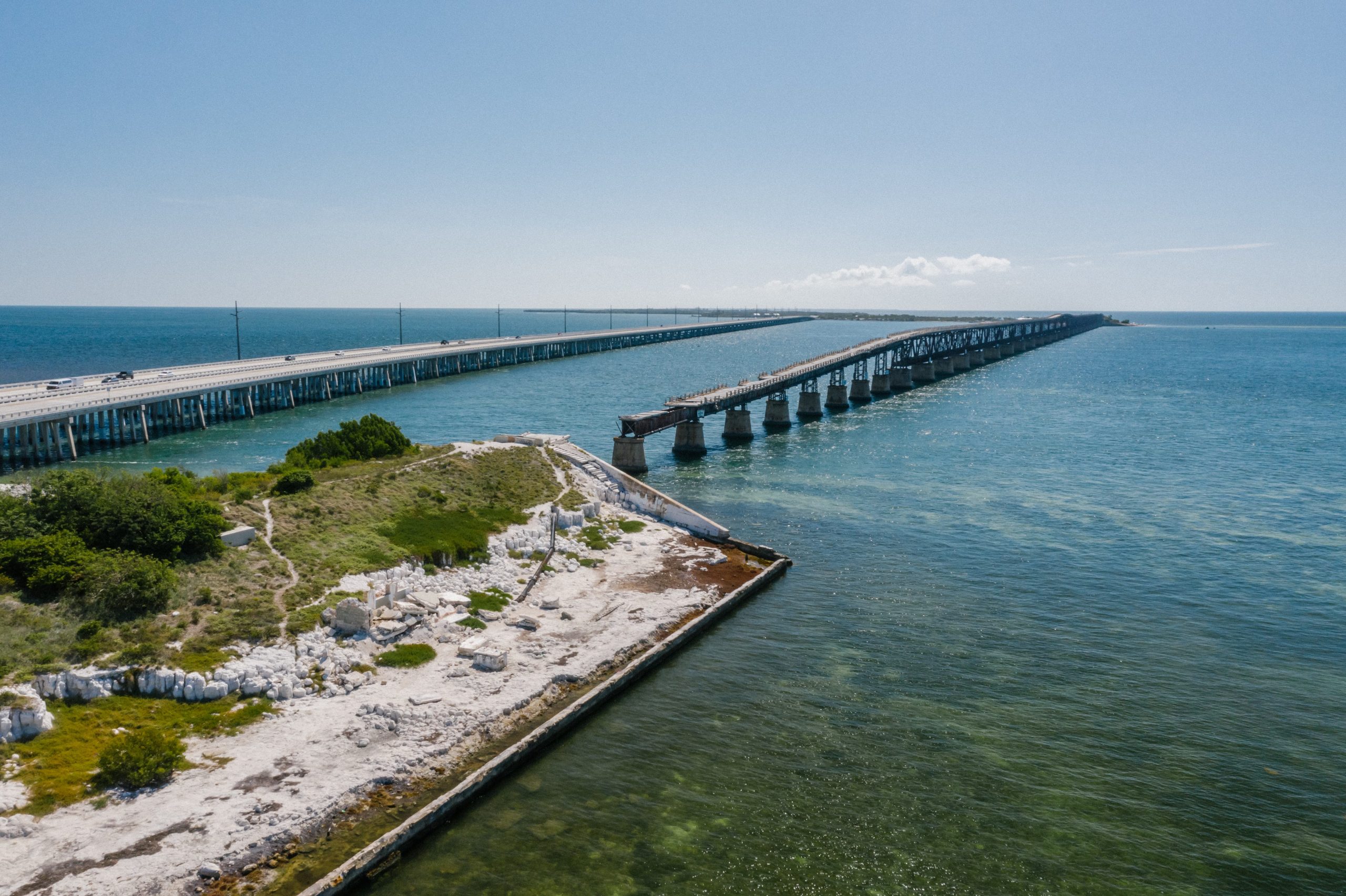
You cannot stop on the bridge carrying highway traffic. Cars cross the newer Seven Mile Bridge on U.S. 1. The famous walking views come from the restored old bridge beside it. The open section runs about 2.2 miles to Pigeon Key. Walkers and cyclists can use it, while cars stay off. The wide sea views appear almost at once, and rays, turtles, and fish may be visible below.
Pigeon Key holds old buildings tied to Henry Flagler’s railway. You can walk or cycle there, then pay admission to enter the island. A train service also carries guests with booked admission. However, do not attempt the full walk in harsh midday heat. There is little shade on the span, so carry water and wear a hat.
Do you prefer beaches or turtles? Book first, decide second. The Turtle Hospital controls the fixed part of your Marathon schedule. As of now, visitors must join a guided educational program. You cannot enter the turtle care areas on your own. Programs last about 70 to 90 minutes, and the final one starts at 4 p.m. Reserve directly through the Turtle Hospital.
Sombrero Beach can fill the flexible part of your afternoon. It has soft sand, picnic areas, restrooms, and calm swimming water. Parking is paid, so keep a card or phone ready. Also, schedule the hospital first and then visit the beach before or after your tour. That simple order prevents a missed booking.

Coral Castle and Anne’s Beach are the first stops to cut. Neither is bad, but they are less central to the Keys drive. Long Key State Park can also wait if hiking is not your goal.
John Pennekamp deserves more time than a rushed parking stop. Robbie’s offers a quick dose of classic Keys character. The Old Seven Mile Bridge gives the strongest road-trip view near Marathon.
Choose your route based on the hours available:
Trying to fit every stop into four hours will feel rushed. Pick fewer places and stay long enough to enjoy them. The drive should not become a race against sunset.
Leave before 8 a.m. on weekends and winter holidays. Traffic often builds as cars enter the Keys. December through April can feel busy due to seasonal visitors. While gas stations and stores are easy to find in larger towns, still, prepare before reaching the quieter Middle Keys. Cell service may also weaken in a few stretches.
Pack these road-trip basics:
Check the weather before leaving. Boat trips may change when wind or sea conditions worsen. Also, heavy rain can slow traffic on U.S. 1.
The Miami to Marathon, Florida, route works best when you respect its pace. The road may look short on a map, yet each stop can change the day. Choose three places for a quick trip or all seven for a full adventure.
If you need transport before or after the Keys, System Shuttle Miami offers Private Transportation for groups and scheduled transfers. Its Key West Tour is another option for visitors who prefer not to drive the Overseas Highway themselves. Remember, leave early, book timed visits, and keep the beach flexible. The best Florida Keys drives leave room for the unexpected.
Yes. The best sea views begin after Key Largo and grow stronger farther south. Bridges link small islands across bright bays and mangrove flats. Drivers should keep their eyes on the road while passengers handle photos.
The route is open at night, but daylight is better for newcomers. Some areas have limited light, narrow lanes, and wildlife near the road. Daylight also lets you enjoy the water views.
The main Overseas Highway does not charge a toll. Your route from Miami may include toll roads, such as Florida’s Turnpike. Rental-car toll policies vary, so review yours before driving.
Bus links exist, but they do not suit a seven-stop itinerary. A rental car or private ride gives you far more control. It also helps when carrying beach gear.
December through April brings mild, dry weather and heavier traffic. Summer has fewer winter visitors but feels hot and humid. Hurricane season also requires closer weather checks.