

The bags are packed, and someone has claimed the front seat. You’re ready to trade Miami’s buzz for a Cape Coral break. Then the group chat fills with a few last-minute questions. Should you drive, book a ride, or take the bus?
Planning your Miami to Cape Coral trip starts with those choices. The right ride depends on your budget, bags, and plans. A few simple checks can make the day feel less rushed. These five tips help you sort things out before leaving.
Your ride affects more than the cost of getting there. It shapes when you leave and where you stop. It also decides who handles the driving after a long flight. Think about those needs before comparing prices.
A car makes sense when you want freedom throughout your stay. You can bring bags, stop for food, and change plans. But someone still needs to drive and find parking. A low rental rate alone does not settle the choice.
FlixBus sells trips between Miami and Fort Myers. Its route page lists some journeys from about three hours and 25 minutes. That covers the bus leg, rather than your full trip. You still need to arrange the ride into Cape Coral.
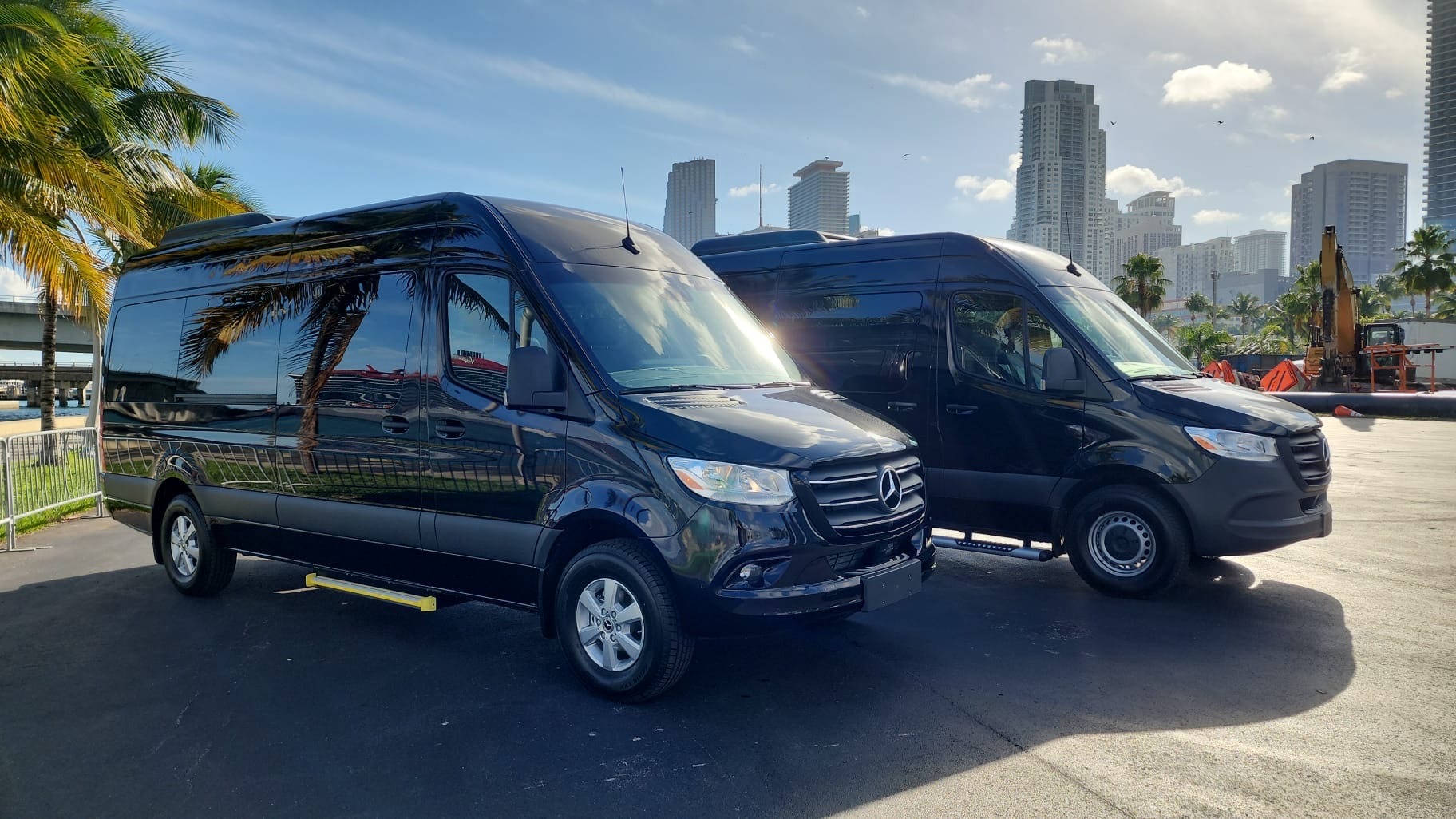
For private travel, System Shuttle Miami lists Private Transportation among its services. Its website also describes plans tailored to group needs. Ask whether it can serve your Cape Coral address and date. Confirm availability, luggage space, stops, and the full quote before paying.
City names alone give you a rough travel estimate. Your hotel, rental home, or pickup point adds the real detail. A start in Miami Beach differs from an airport pickup. Your final address matters just as much.
Published route tools place the drive around 150 to 160 miles. Some estimates put nonstop travel near two-and-a-half to three hours. Treat those figures as a starting point for planning. Your route, traffic, and stops can change the result.
I-75 across Alligator Alley is a common route choice. Still, check directions between your actual addresses before leaving. Save the destination and share it with your driver. A full street address beats “somewhere near the water” every time.
Before you settle on a departure time:
Check FL511 shortly before you set off. Florida’s official traffic service shows crashes, closures, and travel times. Use that information to review your plan while parked.
A cheap fare can look less appealing after extra costs. The same goes for a rental with a low daily rate. Fuel, tolls, parking, and fees all need a place. Compare the whole trip before choosing your ride.
For a car, start with your expected mileage and fuel use. Then add the rental cost, if you need one. Check whether returning it elsewhere adds a fee. Keep a little room for a stop or changed plan.
Review these costs before you book:
Also ask what your time and comfort are worth. Would changing vehicles be awkward with children and several bags? Would a rental sit unused for most of your stay? The smartest budget pays for what your group needs.
A short road trip still feels long when people are hungry. And when you’re with a tired child, patience can fade fast. A planned break gives everyone something clear to expect and also helps the driver avoid feeling rushed.
Eat before departure or choose a meal stop in advance. Keep water and a few snacks within easy reach. Put the things you need in the cabin because nobody wants to unpack the trunk for one phone cord.
Pack a small bag with:
Check the weather before leaving and adjust plans when needed. If rain slows the drive, give yourself more time. A meal booking should never pressure you to rush. Let your host know if your arrival window shifts.
Keep the first afternoon light, especially after a flight. For example, plan a grocery stop and an easy dinner. Save a timed outing for when everyone feels rested. You can enjoy the view without racing the clock.

Reaching the city is only part of a smooth arrival. You still need to find the property and get inside. A missing gate code can spoil an otherwise easy day. Ask for those details while your host is available.
Confirm these points the day before departure:
If you take the bus, check the stop on your ticket. FlixBus currently lists its Fort Myers stop at Rosa Parks Transportation Center. The published address is 2250 Widman Way in Fort Myers. Arrange your onward ride from the confirmed stop for your date.
Plan your return with the same care as your arrival. If a flight follows, include road time and airport tasks. Leave room for delays rather than using the fastest estimate.
The best Miami to Cape Coral plan fits the people taking it. Choose a ride that suits your bags, budget, and schedule. Check the full route, then add breaks and arrival details. Those few choices remove much of the last-minute guesswork.
Want help arranging a private ride for your group? Contact System Shuttle Miami with your date and exact addresses. Ask about Cape Coral availability and request a written quote. Then build the rest of your day around the confirmed plan.
The drive is roughly 150 to 160 miles between general city points. Exact mileage depends on your start, destination, and chosen route. Enter both street addresses for a more useful estimate. Include any planned detours before working out fuel costs.
Some route estimates show around two-and-a-half to three hours without stops. That is a rough guide rather than a promised arrival. Traffic, rain, and breaks can extend the travel day. Check live directions before giving your host an arrival time.
Yes, one option is a bus to Fort Myers. You then need onward transport to your Cape Coral address. Another choice is a private ride, subject to provider availability. Compare the full cost and travel time for both options.
It can work if you have one clear reason to visit. Keep the schedule light and leave time for the return. An overnight stay gives you more room to relax.