
Most transportation problems show up days before the reunion. Yet they usually begin weeks earlier. A missing flight detail, an overlooked wheelchair requirement, or a vague pickup plan can create stress fast. The good news is that a few smart decisions early on can prevent most of those headaches.
Family reunion transportation gets much easier when you start with your people, not your vehicles. In this guide, we’ll discuss the six ways to simplify family reunion transportation planning.
Knowing that 45 relatives are attending helps a little. Knowing that six are over 75, four need car seats, and three arrive from another state on separate flights helps much more. That information shapes every transportation choice you make. It affects vehicle size, pickup timing, accessibility needs, and luggage space.
Think about a reunion at a Miami hotel near Biscayne Bay. A group of 40 adults may fit comfortably on one vehicle. But when you add several walkers, mobility devices, and toddlers, the picture changes.
But why does this matter? Because transportation providers build recommendations around passenger needs, not just seat counts.
Before calling any transportation company, gather these details:
This information saves time later. It also helps vendors give accurate recommendations. Make sure to ask for facts first.
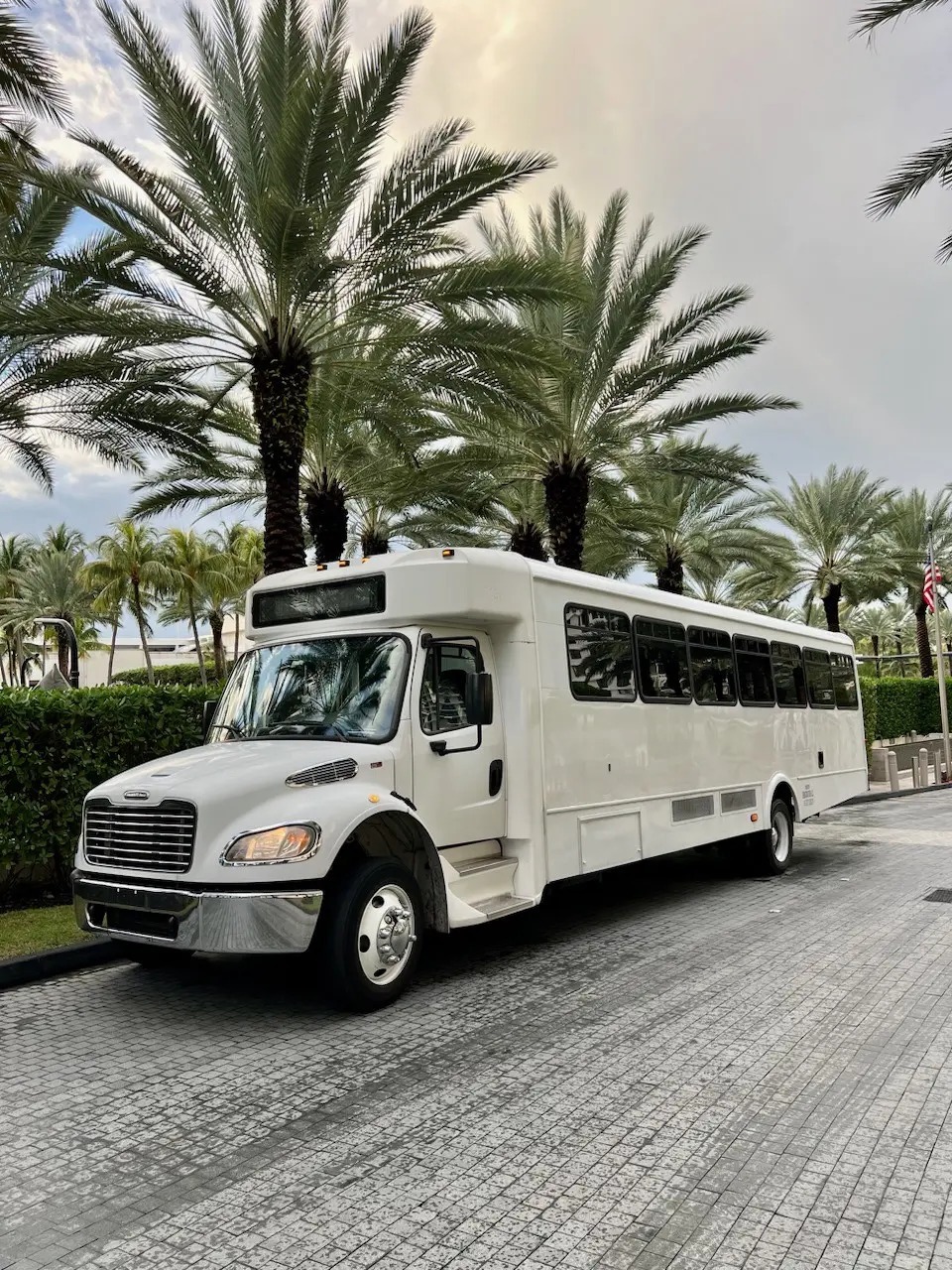
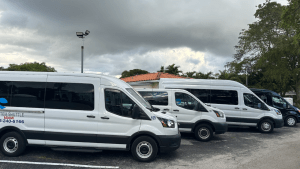
The right vehicle depends on two things that are group size and passenger needs. A minibus may work well for 18 healthy adults traveling together. The same vehicle may create challenges if several passengers use rollators or mobility devices.
Miami adds another factor and that’s heat. During summer, temperatures can feel intense while loading and unloading passengers. If elderly relatives are attending, ask transportation providers about air-conditioning performance at full passenger capacity. Most people never ask that question.
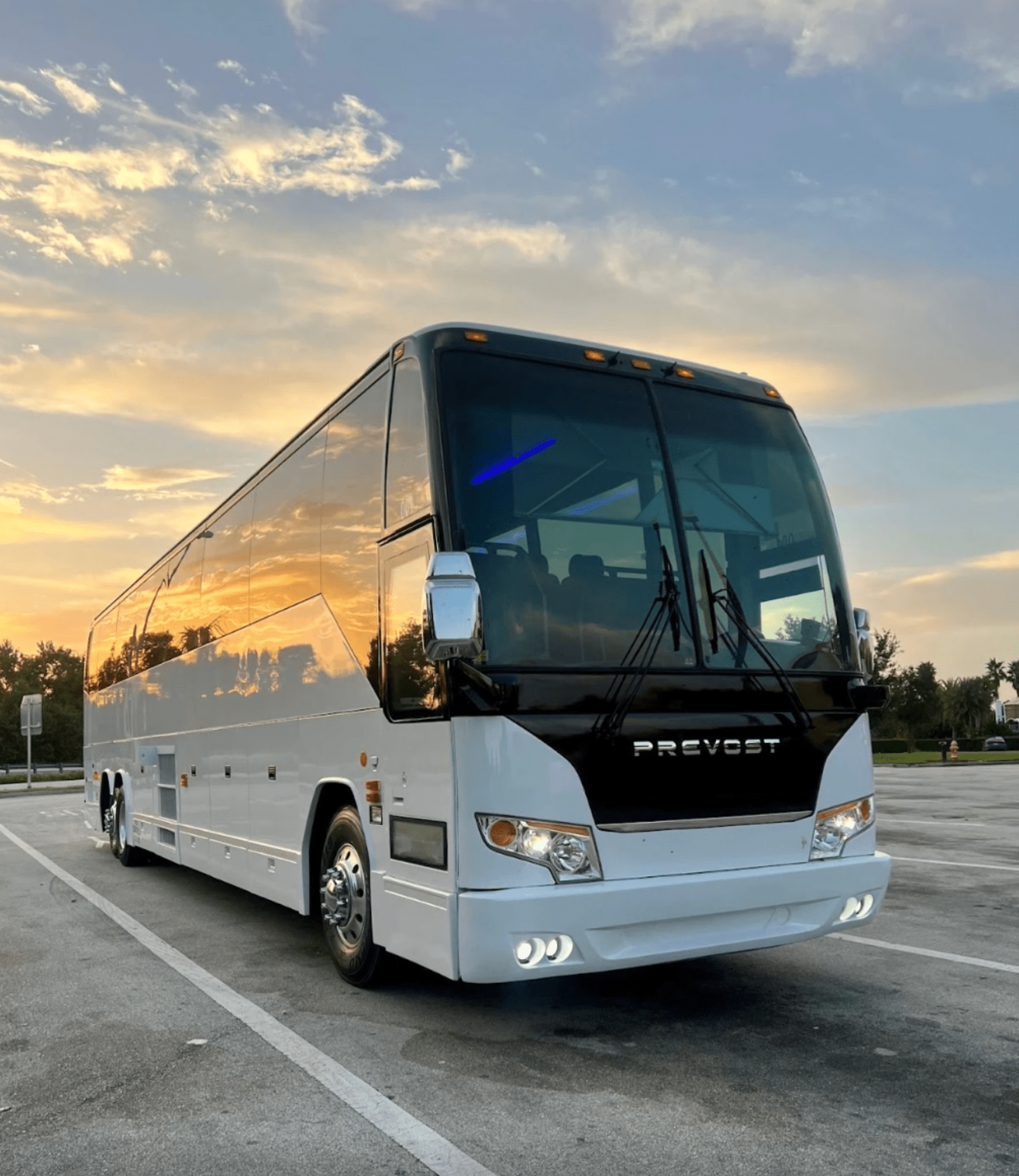
In recent times, charter bus rental prices in Miami vary widely based on vehicle type, travel dates, and booking lead time. Getting three quotes helps you compare value instead of focusing only on price. A lower quote may not include the features your group needs.
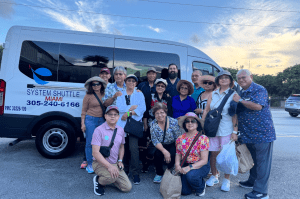
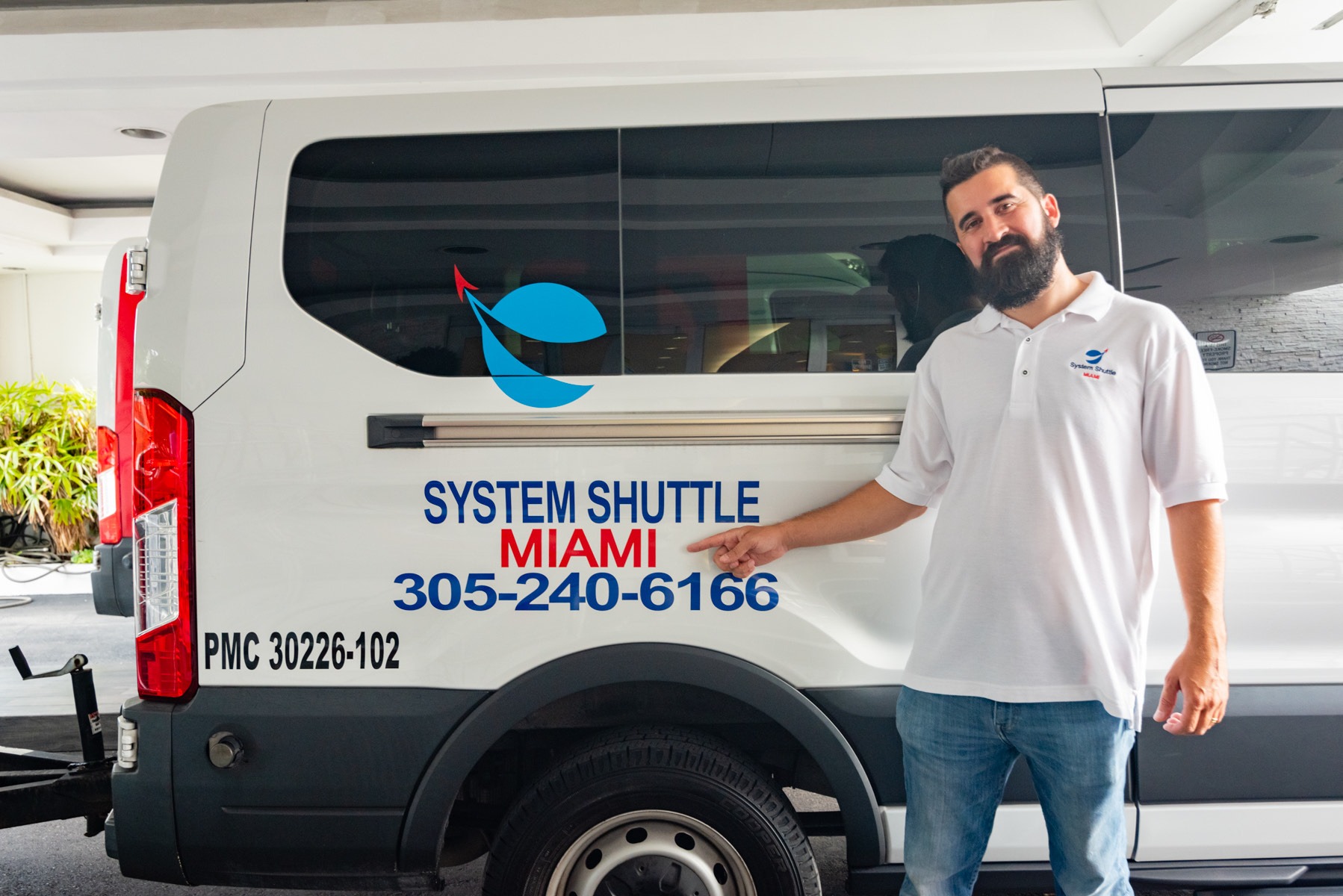
This is also where professional shuttle providers can help. Companies such as System Shuttle Miami offer several transportation options, including group shuttle services and airport transportation services. Those two services are especially useful for reunions because they solve both local event travel and arrival logistics.
Accessibility deserves special attention. Some vehicles are ADA-compliant, but power wheelchairs vary in size. Ramp access alone does not guarantee a good fit. So, verify details before booking.
Most families plan for one airport but Miami often requires two.
Guests traveling to South Florida frequently choose either Miami International Airport (MIA) or Fort Lauderdale-Hollywood International Airport (FLL).
In 2026, most domestic carriers serve both airports from major U.S. hubs. Ticket prices can differ enough that family members book different arrival points without realizing the impact on transportation planning.
A guest landing at MIA may reach downtown Miami in about 25 to 35 minutes under normal traffic conditions. But someone arriving at FLL could need 35 to 50 minutes or more depending on traffic patterns. To this, add peak-hour congestion on I-95, and schedules can shift quickly. Suddenly, a simple pickup plan becomes much harder.
A better approach is to organize airport logistics early:
While it may sound like extra work, it’s really not. It often reduces confusion on reunion weekend and prevents family members from waiting alone outside terminals.
Create a working timeline before the reunion begins.
Many organizers build a schedule. While far fewer build a transportation timeline. There is a difference. A schedule says the shuttle leaves at 10:00 a.m. A timeline explains where it leaves from, who boards there, how long loading takes, and what happens if traffic slows the route.
Consider a family gathering at Zoo Miami. A vehicle scheduled to depart at 10:00 a.m. may actually need passengers ready by 9:40 a.m. Loading grandparents, children, bags, and mobility equipment takes time. A 15-minute buffer at each stop can save the entire day. Small details matter.
A practical family reunion transportation timeline should include:
Drivers work better with clear information, and so do families.
Many people assume an accessible vehicle solves every accessibility concern.
That assumption can create problems. Accessibility differs from person to person. A manual wheelchair user may need something different from a guest using a large power chair. The transportation company needs precise information before assigning a vehicle.
When discussing accessibility with a provider, use direct questions instead of general requests. Specific answers help everyone involved. This step matters.
Ask these questions:
These questions help avoid surprises on reunion day.
Group chats are often noisier than they are helpful.
A family chat with 50 relatives can become impossible to follow. Important transportation updates disappear beneath photos, jokes, and side conversations. Then someone misses a pickup change.
A better approach is to maintain one master document. Share it through email, text message, or your preferred app. Keep that document updated, downloaded and easy to find.
Your master transportation document should include:
Family transportation planning is rarely the hardest part of a reunion, but coordination is.
Most family reunion transportation challenges begin long before anyone boards a shuttle. They begin when details stay scattered across texts, emails, and conversations. Start with your group profile. Build around real needs. Everything else becomes much easier from there.
A successful reunion does not depend on having the biggest bus or the most expensive transportation package. It depends on planning around real people and real travel needs. When you know who is attending, where they are arriving from, and what support they need, every transportation decision becomes clearer.
Transportation should support the reunion, not become the main event. Start with your family, build a clear plan, and choose services that fit your group’s needs. When everyone knows where to be and how they are getting there, the reunion feels easier from the very first pickup.
For large groups, booking transportation at least two to three months ahead is a smart move. If your reunion takes place during peak travel seasons, holidays, or summer weekends in Miami, booking even earlier can provide more vehicle options and better rates.
The best vehicle depends on your group size and passenger needs. Small groups may prefer a shuttle van or minibus, while larger gatherings often benefit from a charter bus or group shuttle service. Consider luggage, mobility needs, and travel distance before choosing.
In many cases, professional transportation reduces parking issues, keeps the group together, and removes the stress of coordinating multiple drivers. It can also be more cost-effective than reimbursing fuel, parking fees, and separate ride-share trips.
Create a shared arrival schedule as soon as flights are booked. Group guests by airport and arrival times. It’ll be easier to handle the arriving guests this way.
Many families benefit from a combination of airport transportation and group shuttle services. Airport transfers help arriving guests reach hotels or venues, while shuttle services keep everyone moving together throughout the reunion weekend.